
Onthank Cephalopod Physiology Lab
Exploring how the physiology of cephalopods and marine invertebrates enables these animals to survive and thrive in the Pacific Northwest and beyond.
The Onthank Lab research focuses on exploring how the physiology of marine invertebrates, especially cephalopods, enables these animals to survive in their environment and how it influences their interactions with other organisms.
Current Research Areas
Our lab investigates a range of questions in marine invertebrate physiology, with an emphasis on cephalopods.
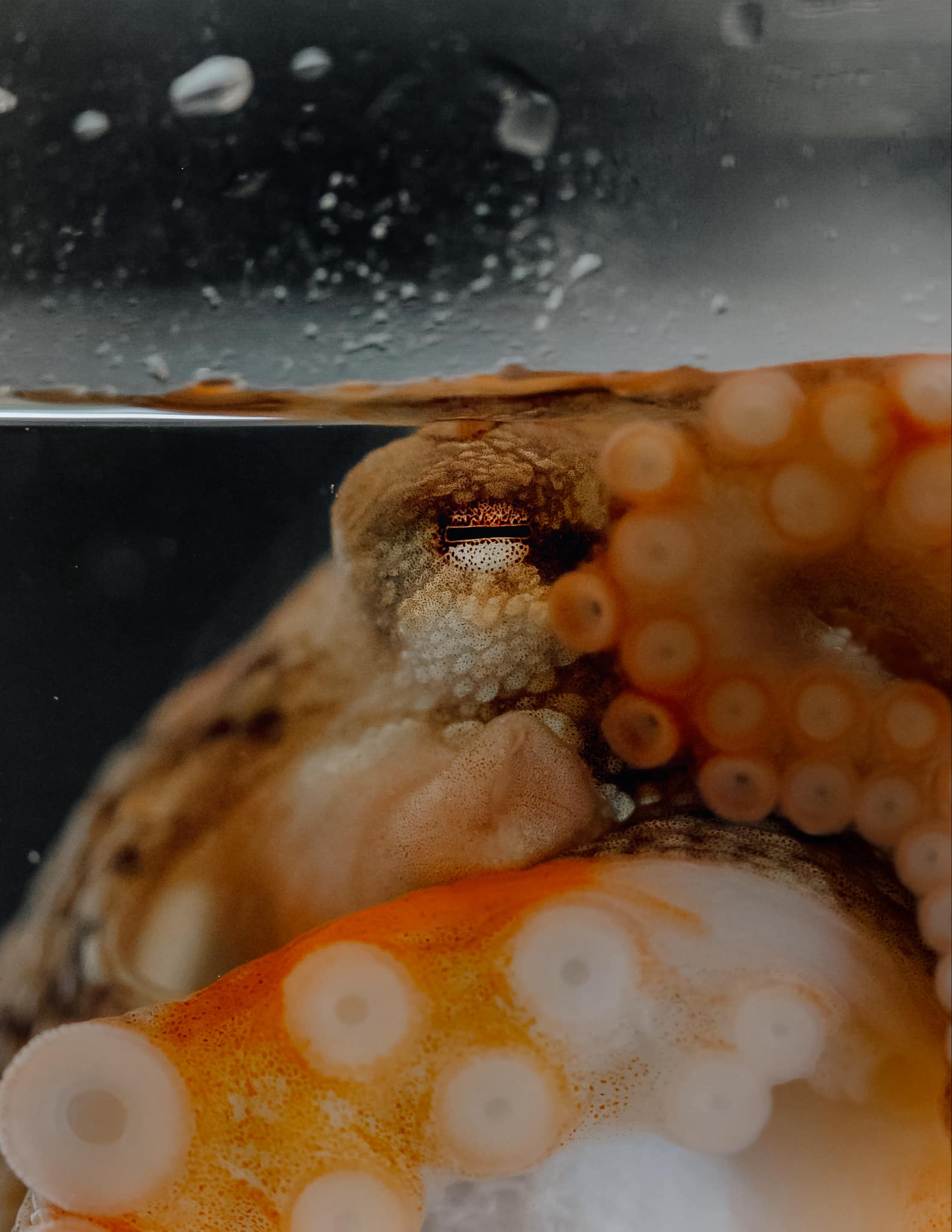
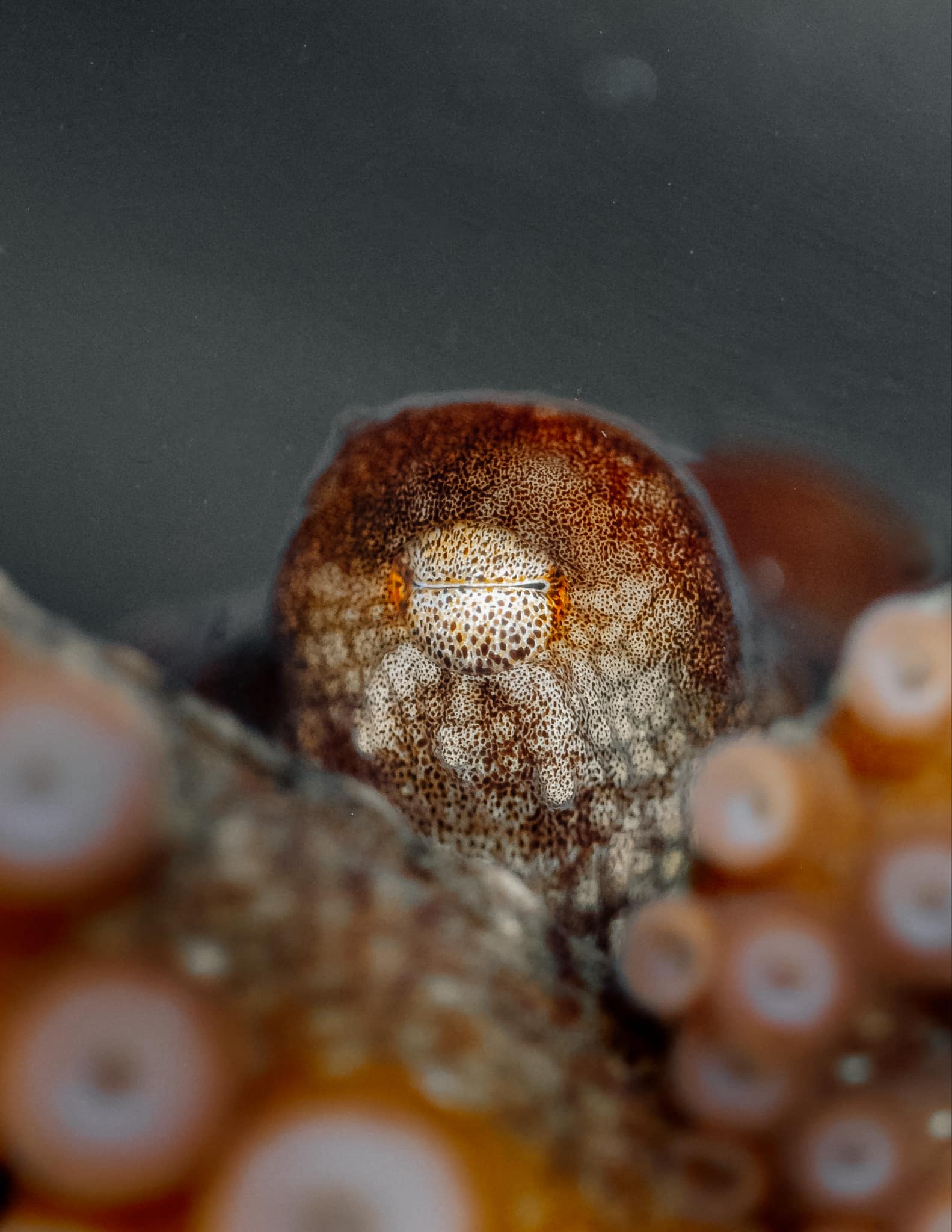
Cephalopod Physiology & Behavior
Investigating the physiology, energetics, and behavior of cephalopods, with a focus on how these animals interact with and adapt to dynamic marine environments.
Environmental Physiology in a Changing Ocean
Exploring how marine organisms respond physiologically to ocean acidification, warming, hypoxia, and other environmental changes associated with a rapidly changing ocean.
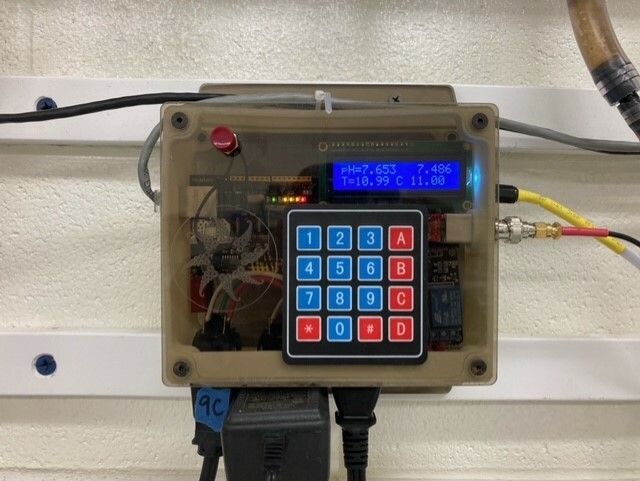
Open-Source Marine Research Tools
Developing open-source hardware, software, and computational approaches that expand access to experimental marine biology and physiological research.
Marine Genomics & Computational Biology
Using genomics, transcriptomics, and computational biology to investigate marine organism evolution, physiology, and adaptation.
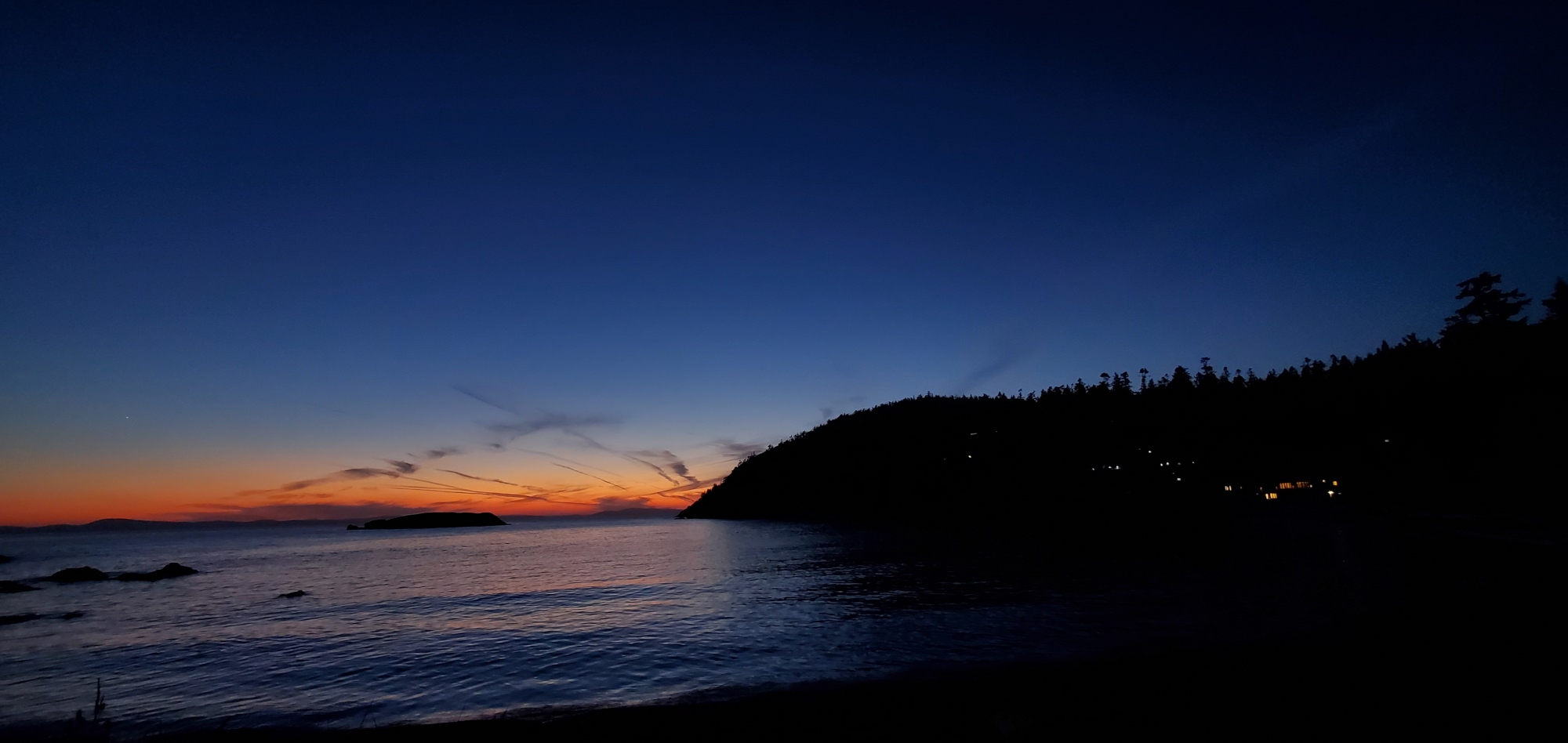
Research at the Edge of the Salish Sea
Based at Walla Walla University and the Rosario Beach Marine Laboratory, our research takes place at the intersection of temperate rainforest and rich marine ecosystems.
Explore Our ResearchFeatured Publications
Recent peer-reviewed work from the Onthank Lab.
-
High energetic cost of color change in octopusesProceedings of the National Academy of Sciences, 121:e2408386121
-
The Open Acidification Tank Controller: An open-source device for the control of pH and temperature in ocean acidification experimentsHardwareX, 14:e00435
-
The open-source camera trap for organism presence and underwater surveillance (OCTOPUS)HardwareX, 13:e00394
Student Research Opportunities
Undergraduate and graduate students interested in cephalopod physiology, marine biology, and hands-on research at Rosario Beach Marine Laboratory are encouraged to get in touch.
Learn More.jpg)
Rosario Beach Marine Laboratory
The lab features seawater facilities, research vessels, and classroom spaces that support both teaching and research in marine biology, physiology, and ecology on the shores of the Salish Sea.
Visit Rosario Beach Marine LabLab News
-
2025Brandon Bowers, Joy Williams, and Meg Mindlin successfully defend their theses. Congratulations Brandon, Joy, and Meg!
-
2024Sofie Sonner publishes PNAS paper on the high energetic cost of octopus color change, the first direct evidence that cephalopod camouflage carries a substantial metabolic cost.
-
2023Cheyne Springbett successfully defends his thesis on burrowing behavior in the deep-water octopus Muusoctopus leioderma.